
Smart Stick
-Integrated Force Sensors for Sensing Forces During Cane Use-
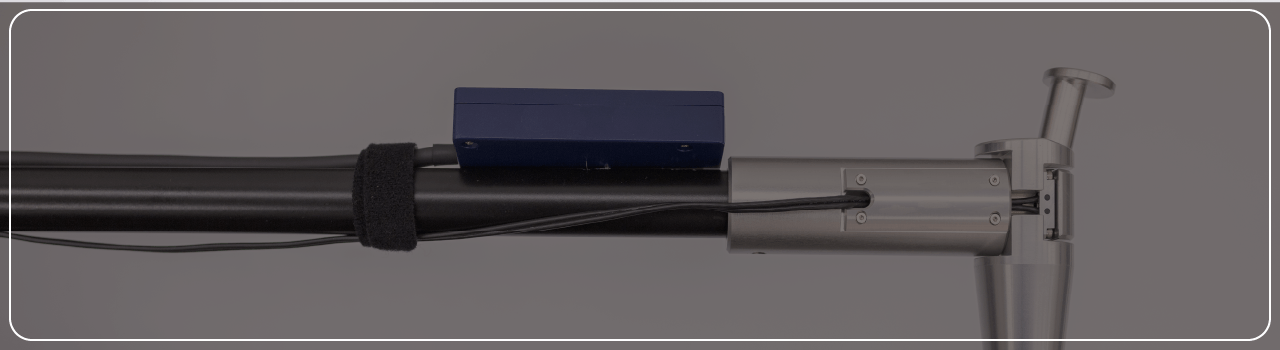
Smart Stick -Integrated Force Sensor for Sensing Forces During Cane Use
Walking Assistance for the ElderlyHuman physical functions decline with age, and in older adults, muscle strength in the legs and lower back and the sense of balance often become weaker. As a result, the risk of falling increases, and some people may avoid going outside to walk, which can lead to further muscle deterioration and a negative cycle. In addition, many elderly people suffer from chronic pain. If they force themselves to walk in such conditions, their symptoms may worsen and may eventually make walking more difficult in the future.
In such situations, using a cane to support body weight and assist walking can reduce instability and help people walk with greater confidence and stability. Some specific benefits include:
- Fall prevention...supports body weight and reduces instability
- Reduced load on legs and joints...distributes body weight, reducing stress on joints and preventing worsening pain or symptoms
- Obstacle detection...the cane tip senses the ground condition, helping recognize steps or obstacles
Therefore, the use of a cane is expected to support independent walking. A cane provides various benefits for mobility support.
Approaching Cane Walking Stability Through Force Data
The stability of cane-assisted walking depends on how the cane is held and supported at the grip. If the cane is not used correctly, its effectiveness cannot be fully realized.
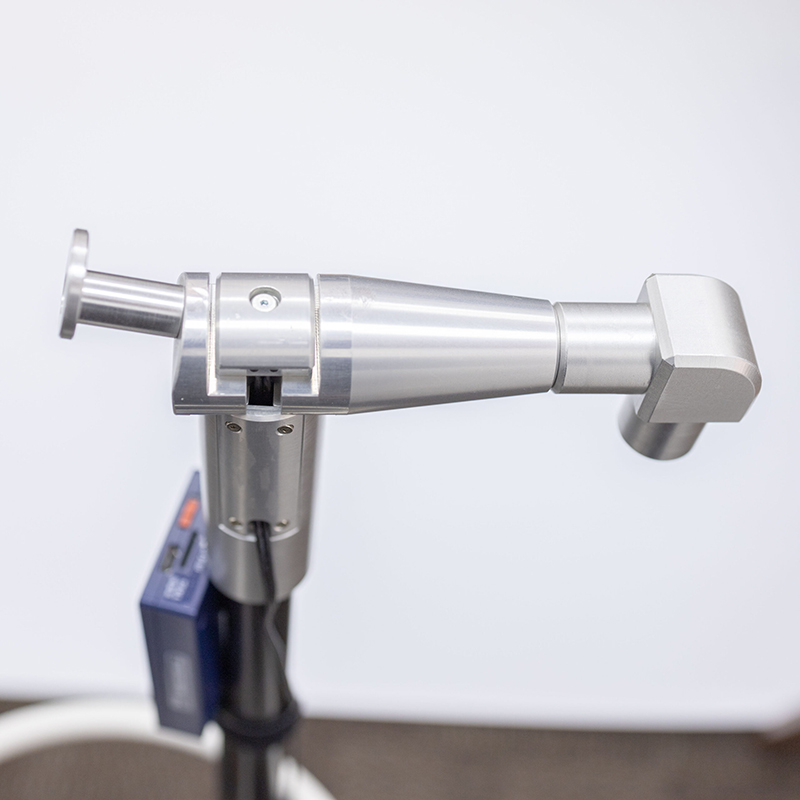
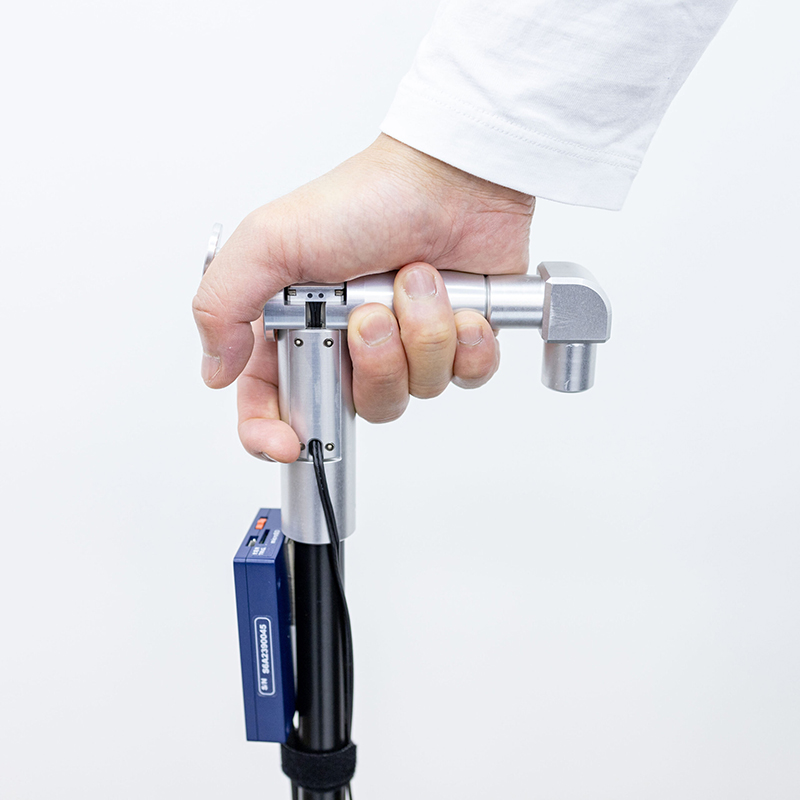
In this project, a compact and thin 3-axis force sensor (USL06) is embedded in the cane grip to measure how the cane is held when it contacts the ground. This allows measurement not only of pressing force but also shear forces caused by lateral slipping.
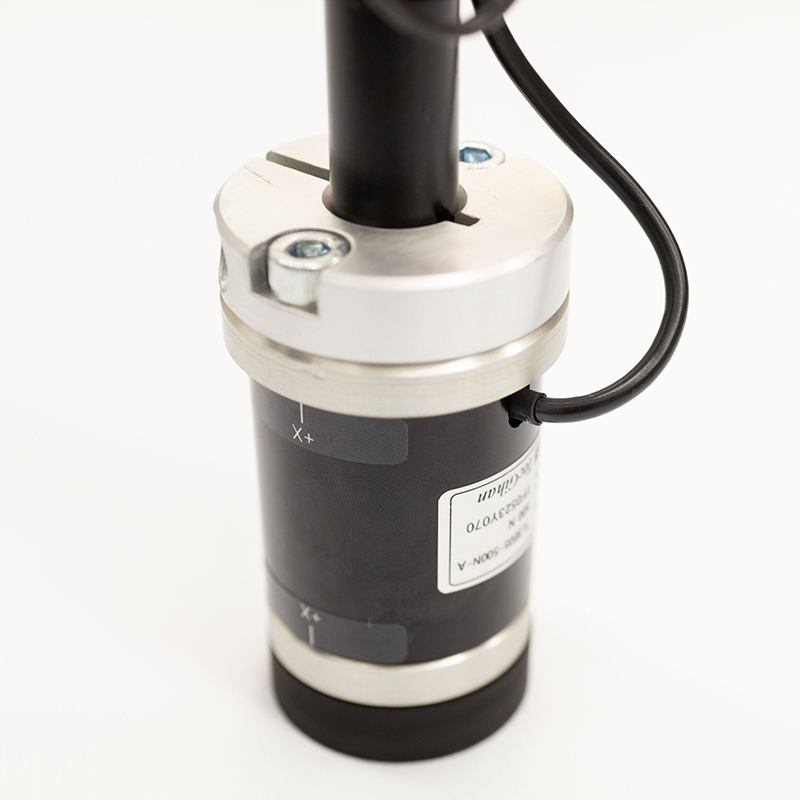
In addition, another 3-axis force sensor (TL3B05) is installed at the tip of the cane to measure how the cane contacts the ground, including both vertical force and shear forces.
By analyzing the characteristics of the gripping and contacting forces, the stability of cane-assisted walking can be evaluated and used to provide feedback for fall prevention and walking guidance.
In the future, it is expected that additional force data and acceleration information from the cane will enable estimation of the user’s physical condition, leading to the development of a more advanced smart stick system.
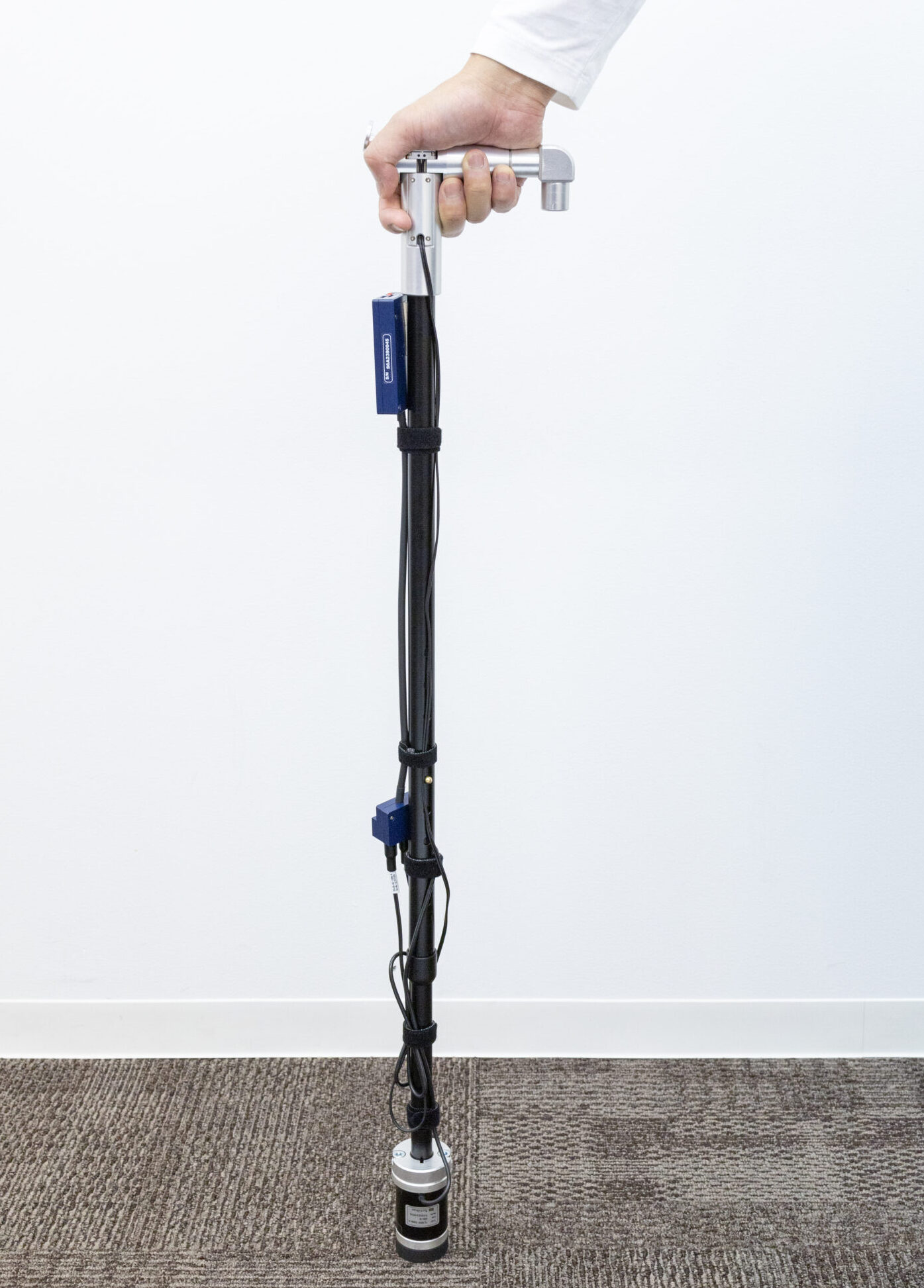
Integration of Force Sensors × Wireless AmplifierWhen a person grips a cane, the shape of the cane is extremely important. If the sensor installation creates protrusions or obstacles, it may change how the cane is handled. In this project, the compact and thin characteristics of the 3-axis force sensor USL06 were utilized, and the sensor cable was routed directly downward so that the sensor could be embedded in the cane grip without affecting usability.
In force measurement, the base (where the sensor is fixed) is also very important. Without sufficient rigidity, accurate data acquisition is not possible. Therefore, the cane grip itself was specially designed and manufactured. The system is capable of detecting very subtle loads and can sense individual user habits and differences in usage depending on their physical condition.
Since the measurement involves walking with the cane, a wireless amplifier PDL-06 was adopted. The PDL-06 enables wireless data acquisition and can also store data on an SD card inside the device, eliminating concerns about cable management.
 3-axis force sensor installed at the tip of the gripper
 Two-claw gripper
 Compact and thin 3-axis force sensor USL06 series